Chapter Three
Same land, such different sake — why?
As Chapter 2 showed, the six breweries do not share the same water, rice, or environment. But the biggest reason their sake turns out so differently isn’t water or rice at all — it’s what each brewer chases in the glass. Here, we introduce the passion and dedication behind each of the six breweries.


Sakurai · Est. 1877
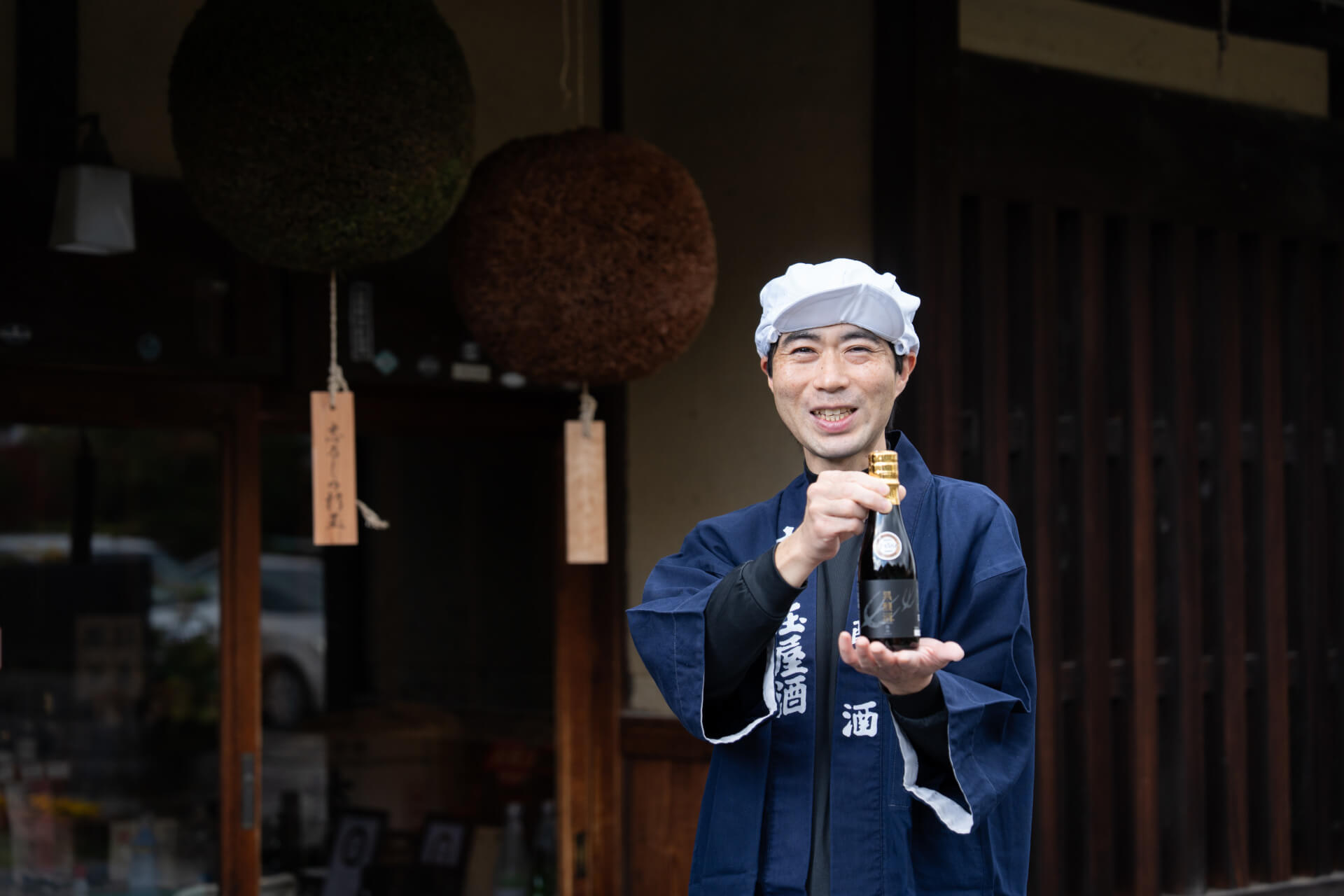
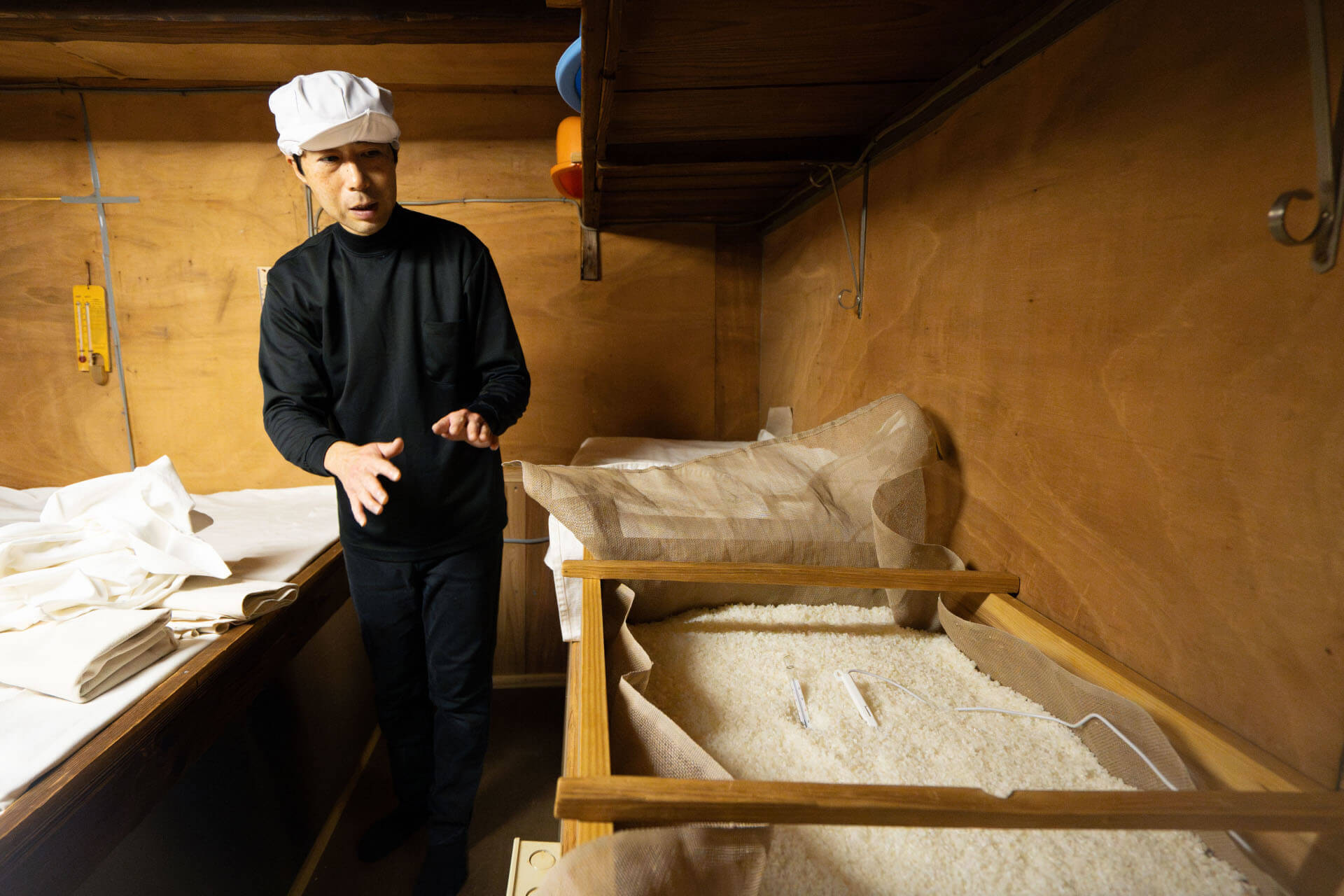
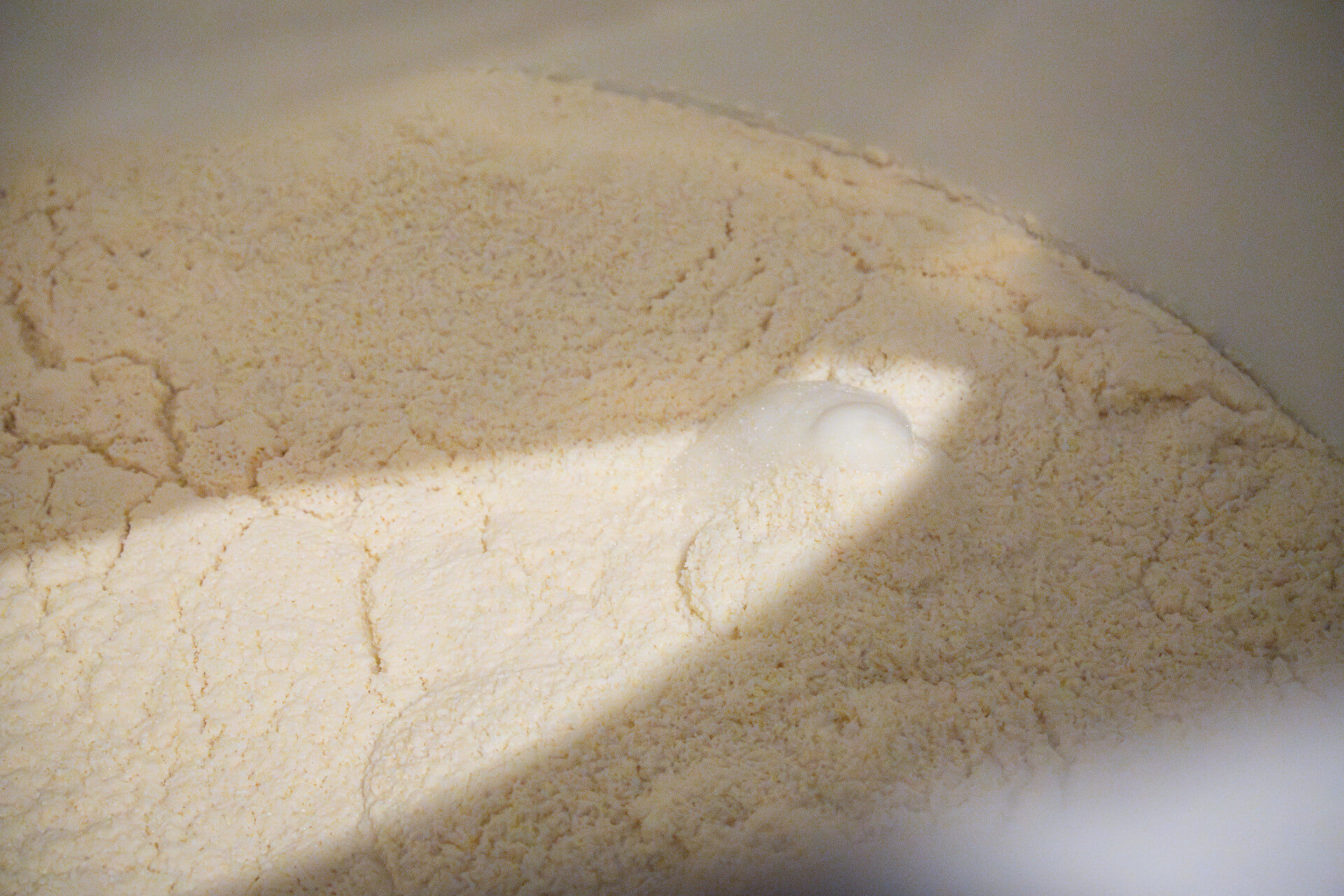
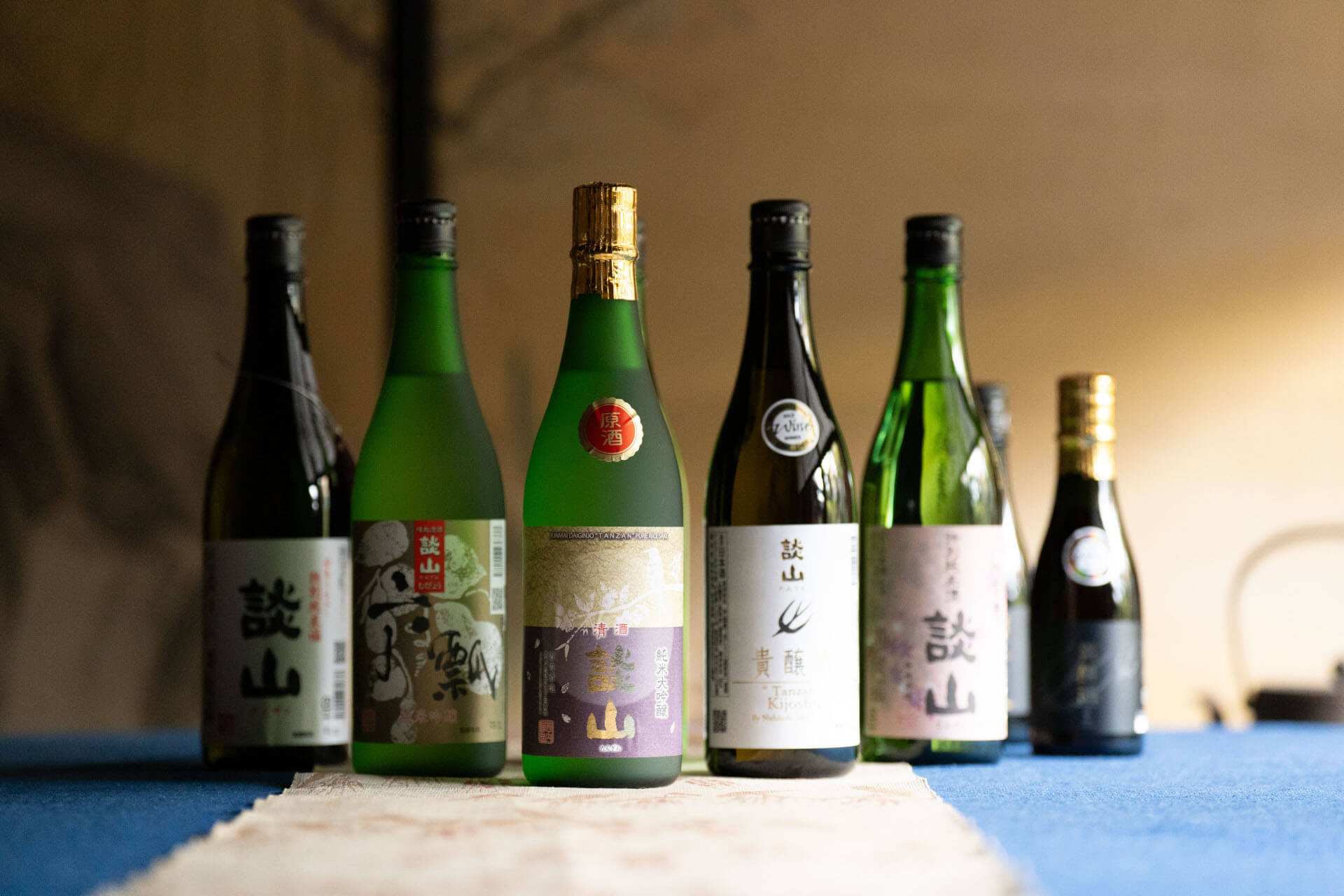
Nishiuchi Shuzo
Taking kijōshu one step further
A short walk from Tanzan Jinja, the brewery still ferments its sake inside an Edo-period earthen-walled storehouse. Its flagship, Ruijōshu, pushes kijōshu — the luxurious method of brewing with sake instead of water — one step further still: the kijōshu itself is then used, in turn, as the brewing water for the next batch. This sake has won the trophy ranked above gold at the IWC (International Wine Challenge), one of the world’s largest wine competitions. A traditional brewery that keeps pushing a traditional technique one step further — this is a house of quiet experimentation.

Yoshino · Est. 1868
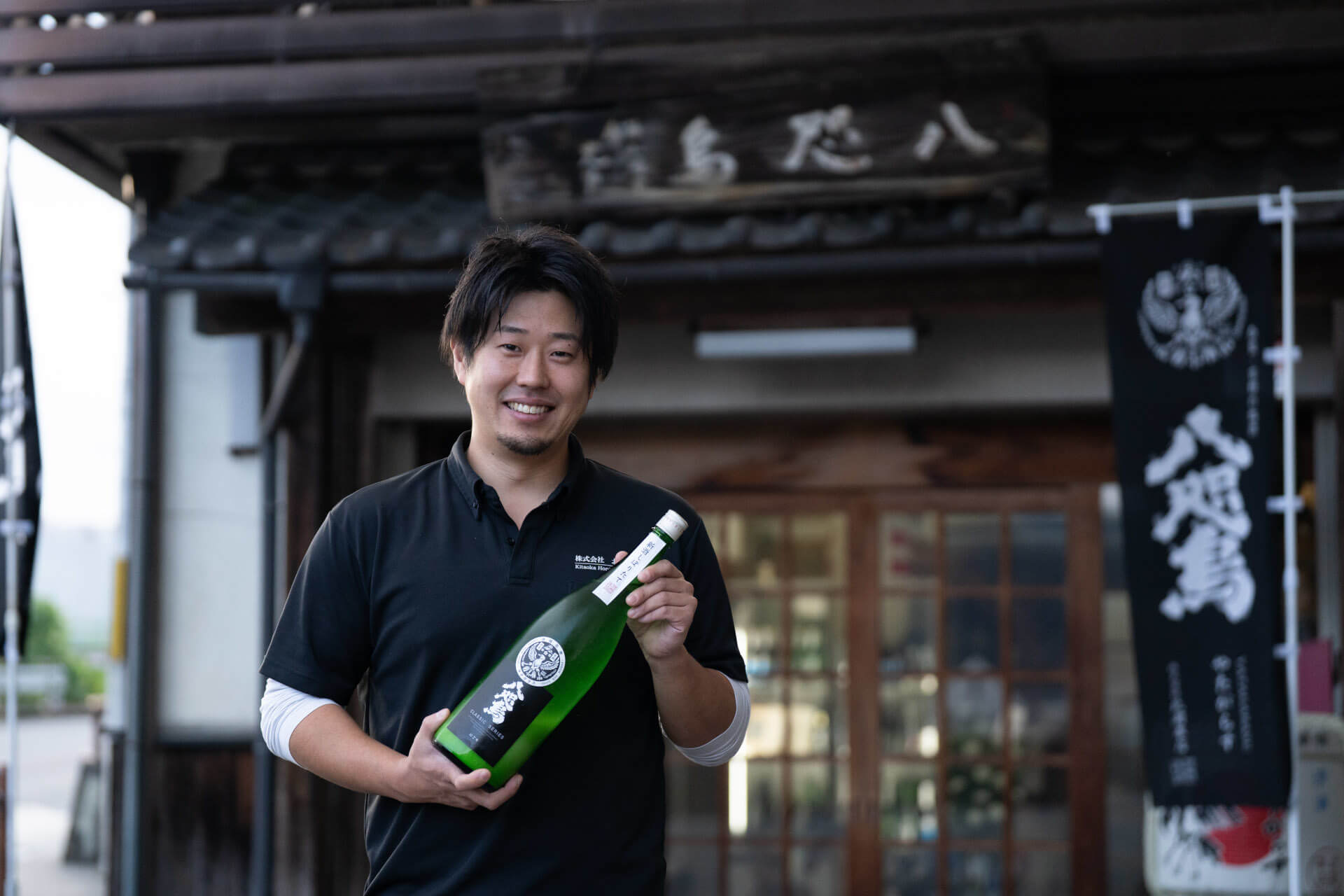
Kitaoka Honten
Honoring tradition, brewing for the future
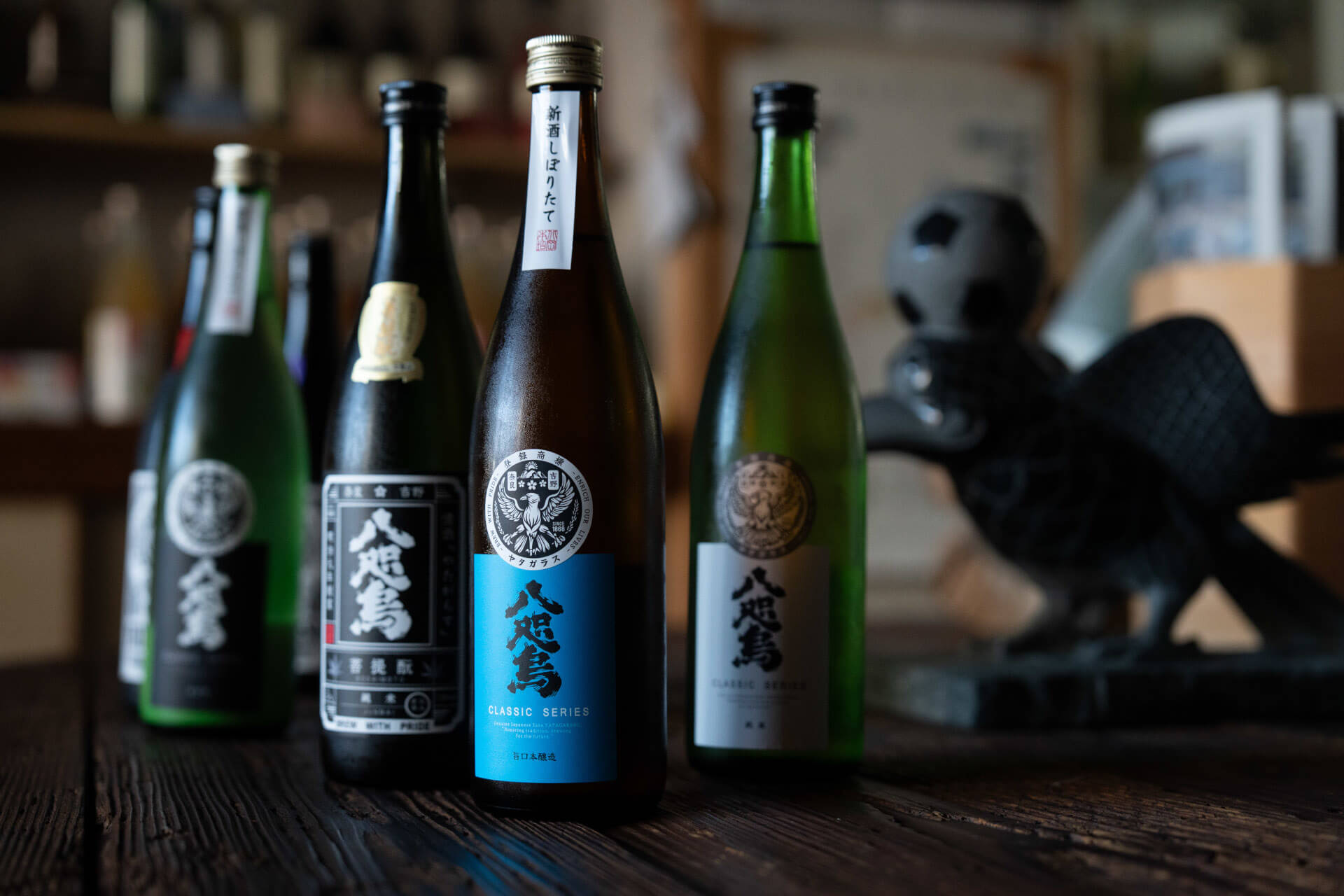
The brewery sits at the entrance to Yoshino-Kumano National Park, spanning the central-to-southern Kii Peninsula, and brews with water drawn from a stream flowing through Yoshino’s mountains — low in iron, well-balanced in minerals. It runs its historic Classic Series alongside a modern Core Series built to let drinkers compare the character of different Nara rice varieties side by side — tradition and innovation, held in balance.
Uda · Est. 1702
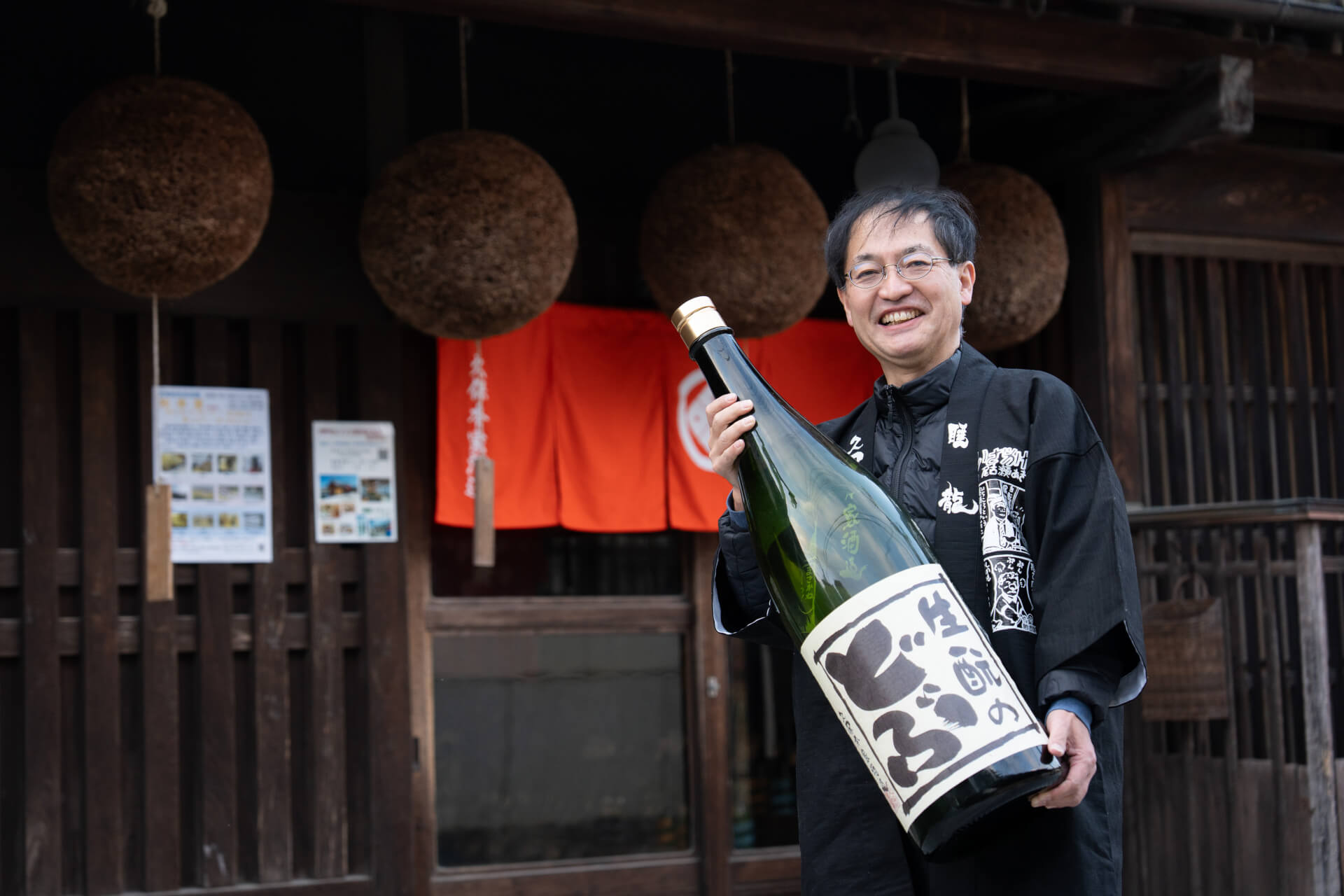
Kubo Honke Shuzo
Choosing to ferment all the way through
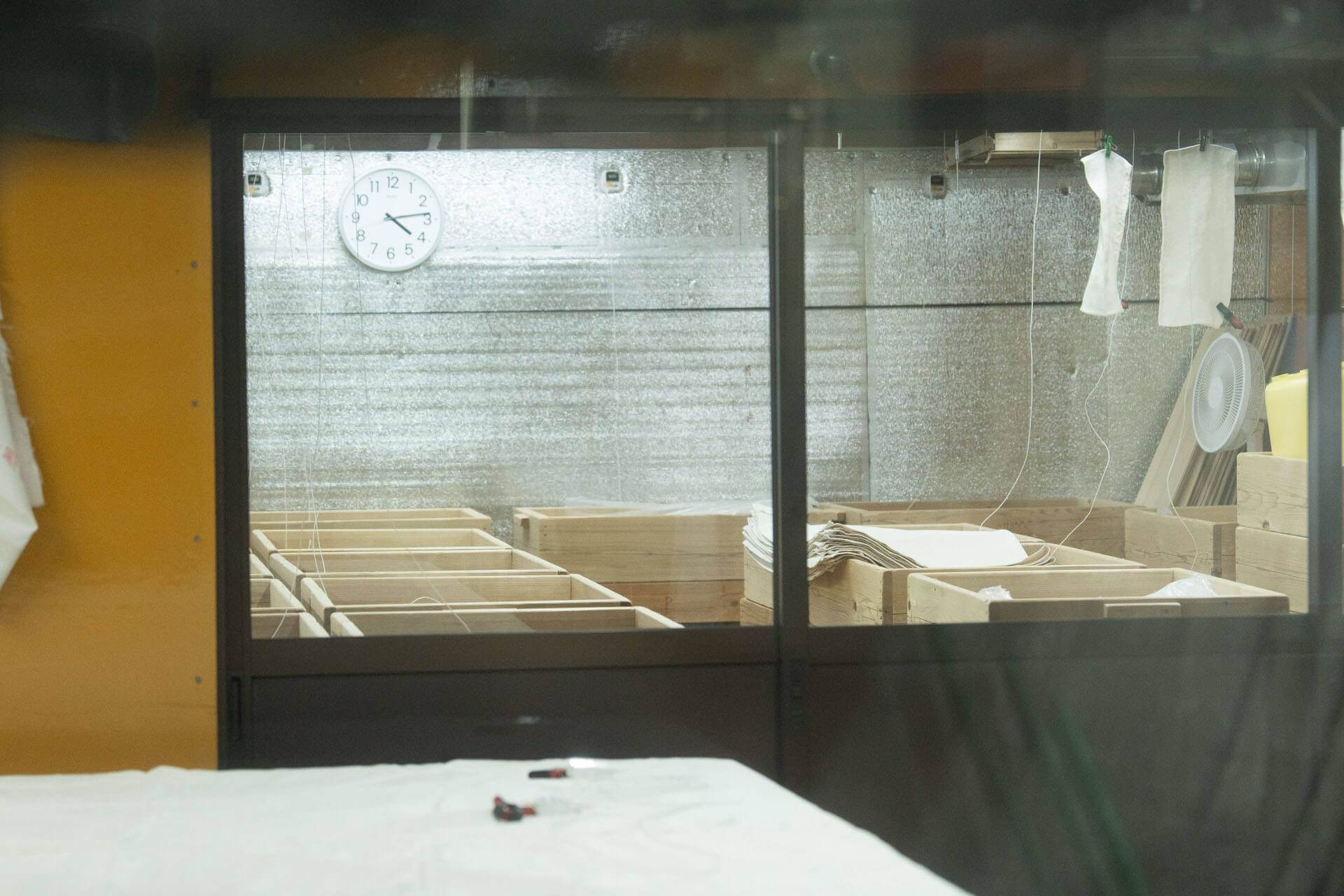
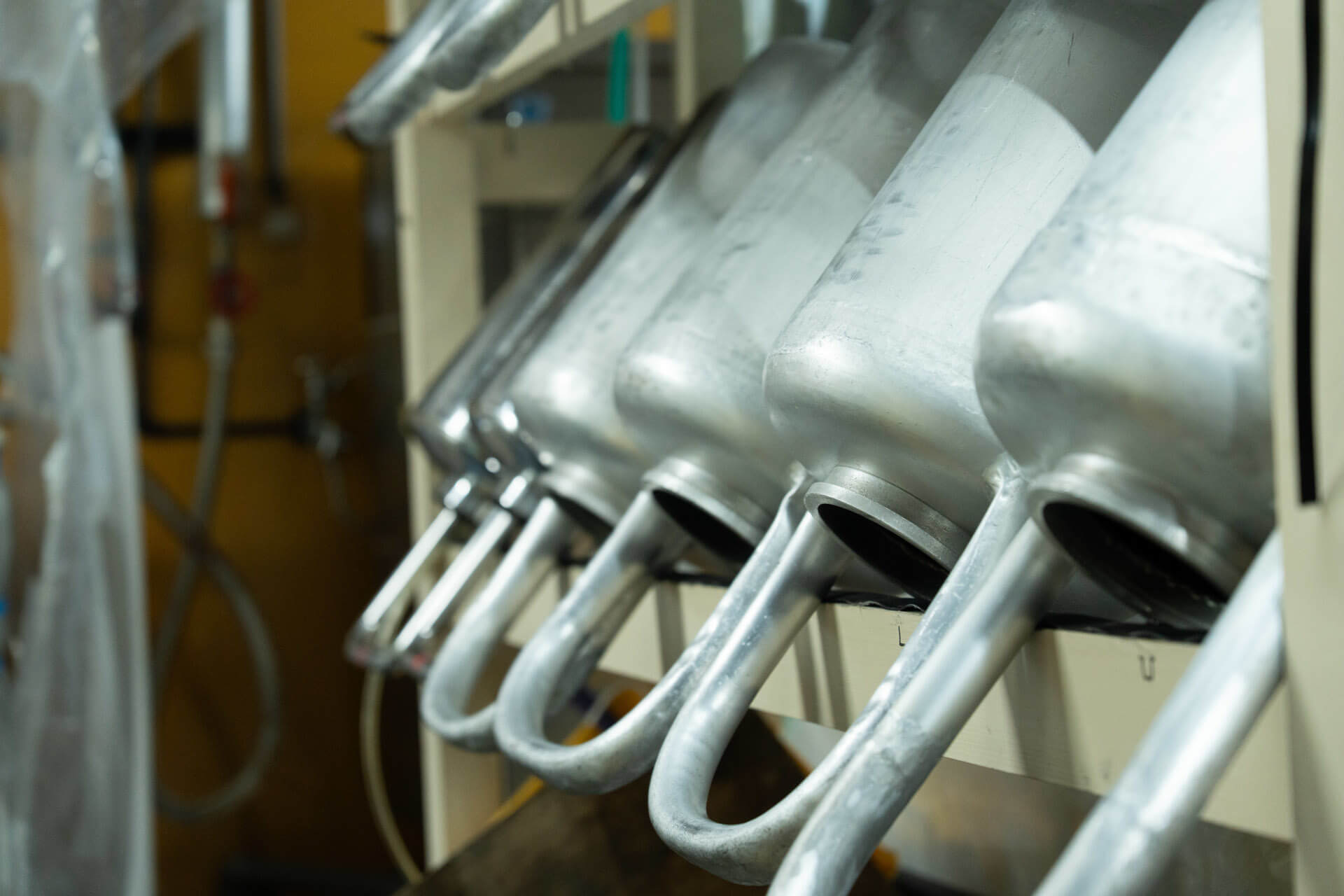
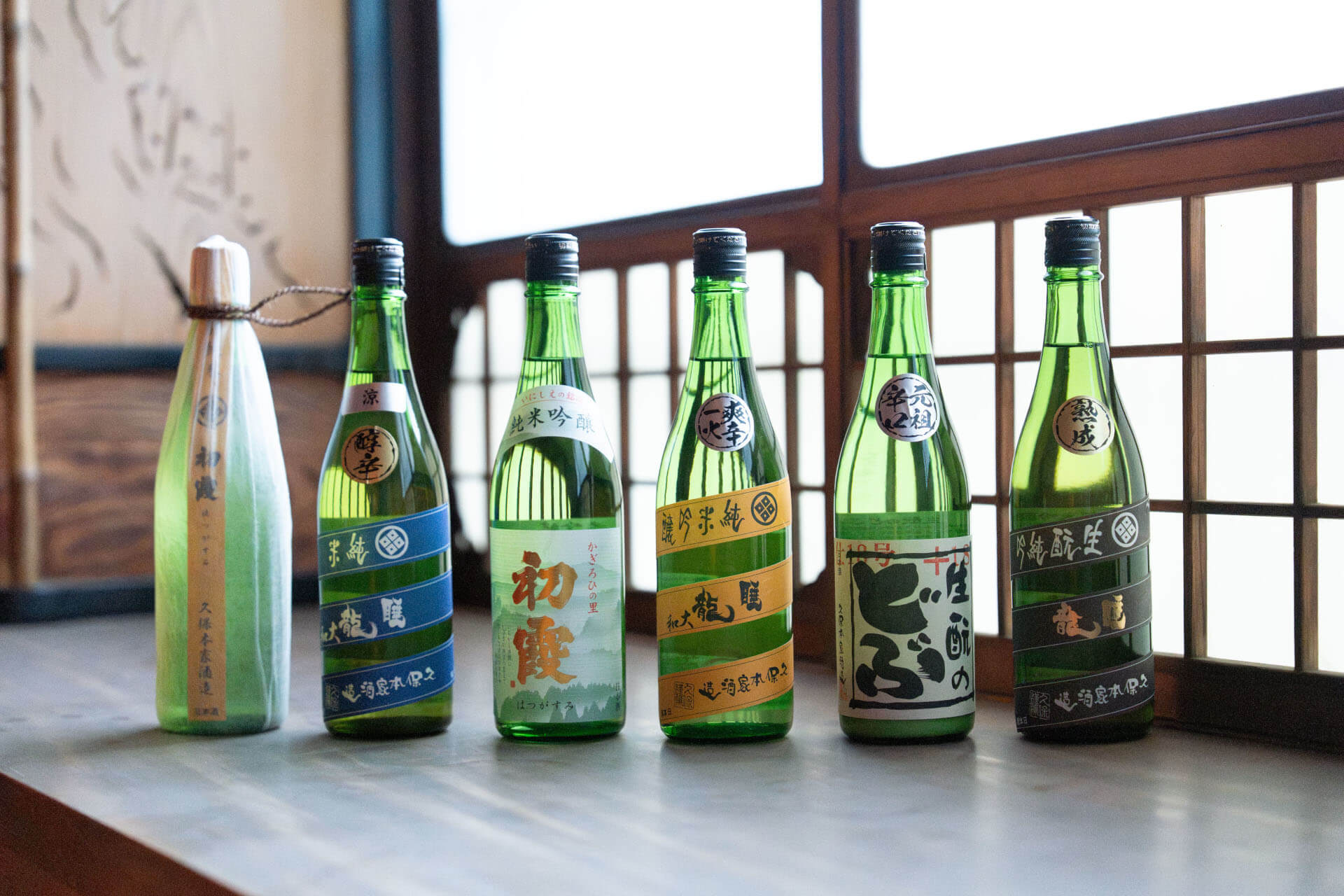
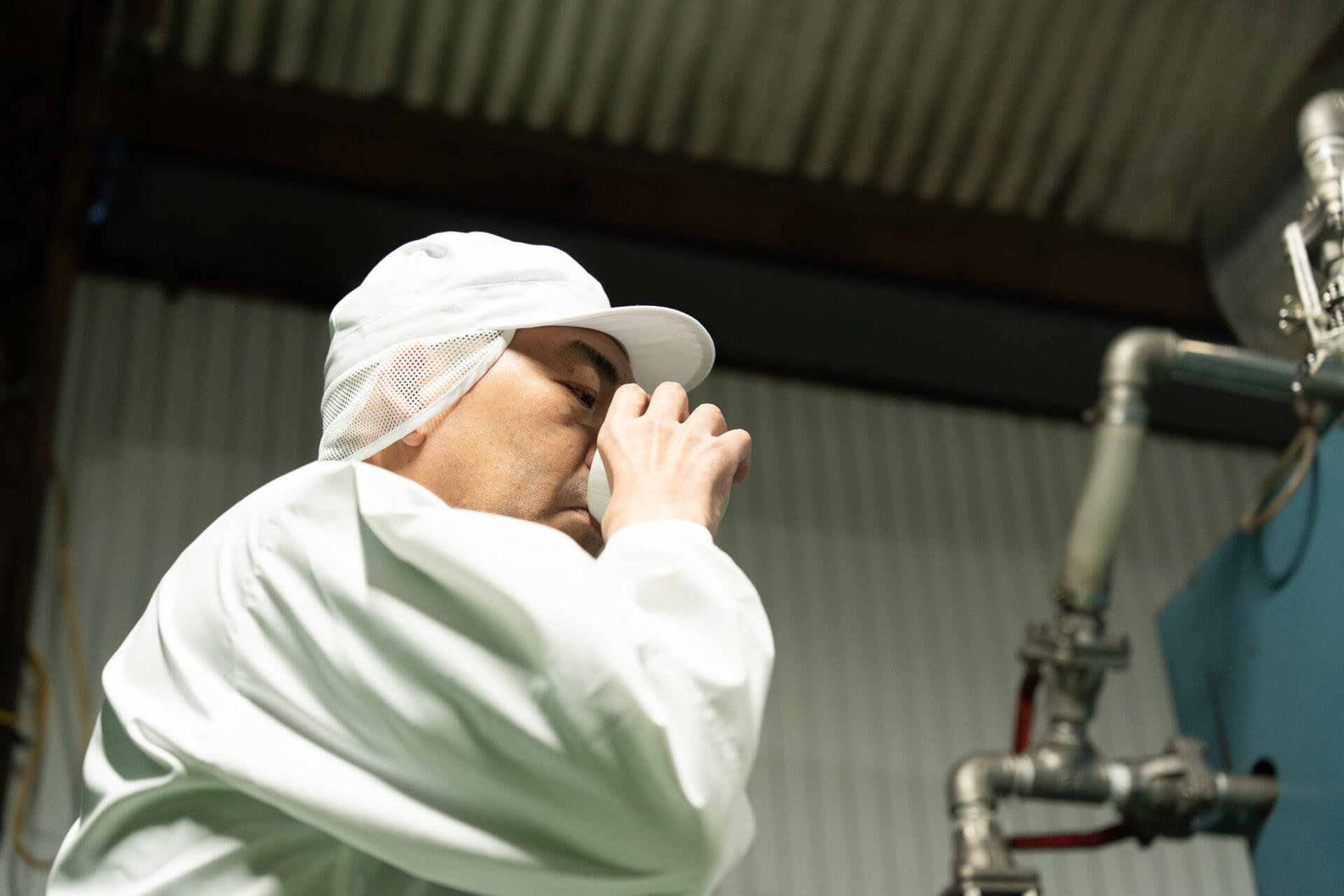
The brewery holds to something close to a paradox: that a sake that’s sweet, fruity, and easy to drink is really just proof of a sluggish fermentation. So at every stage of brewing, it deliberately keeps conditions hard on its microbes, pushing fermentation until the yeast has consumed nearly all the sugar — kanzen hakkō, “complete fermentation” — in pursuit of a dry, crisp sake. Its signatures are a cloudy, unfiltered kimoto-brewed sake, “Kimoto no Dobu,” and an aged kimoto junmai ginjo, “Suiryū.” This is a brewery that chooses a sake’s completeness over its easy drinkability.
Gojō · Est. 1924
Gojo Shuzo
A hands-on brewery, and a richly flavored bottle
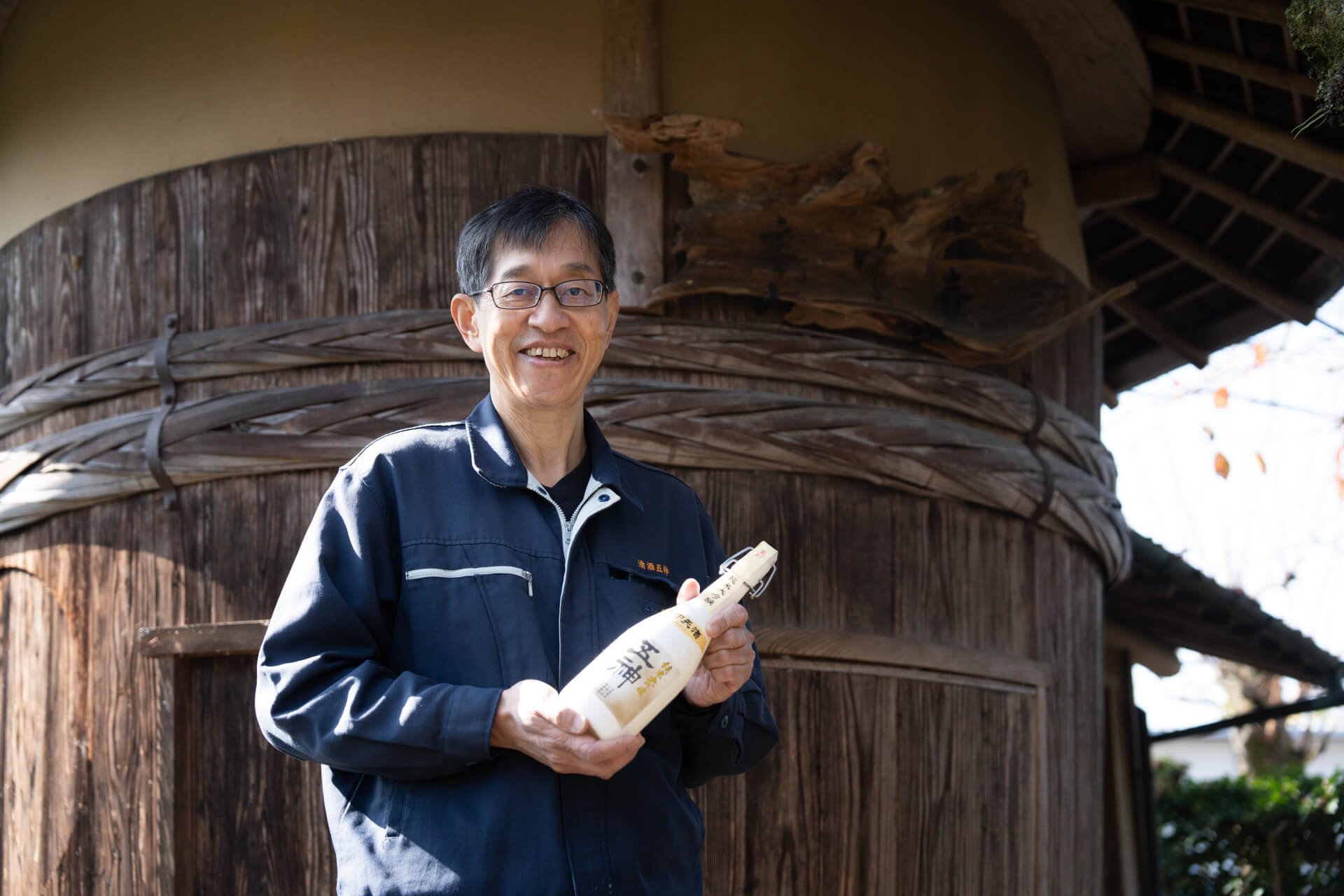
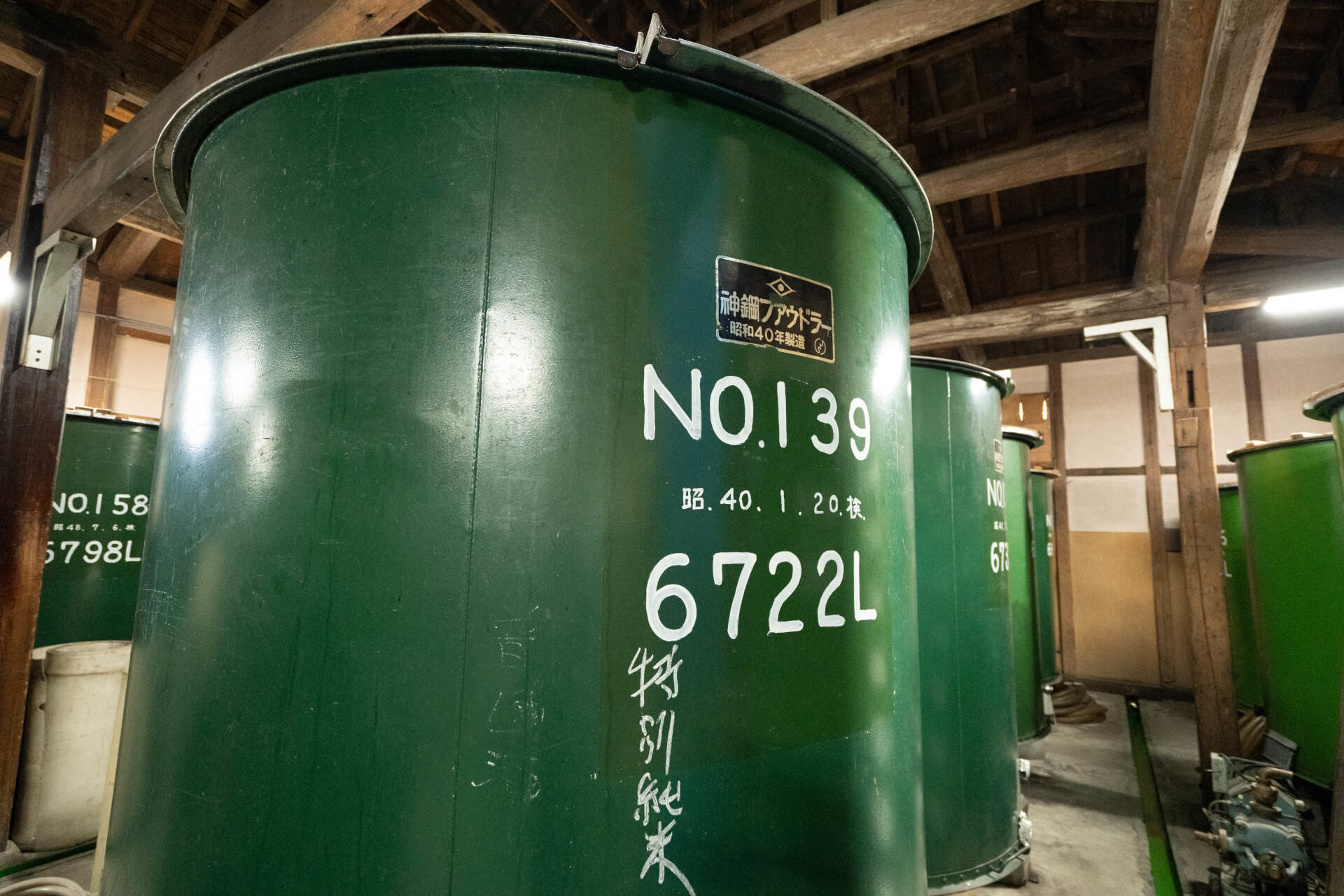
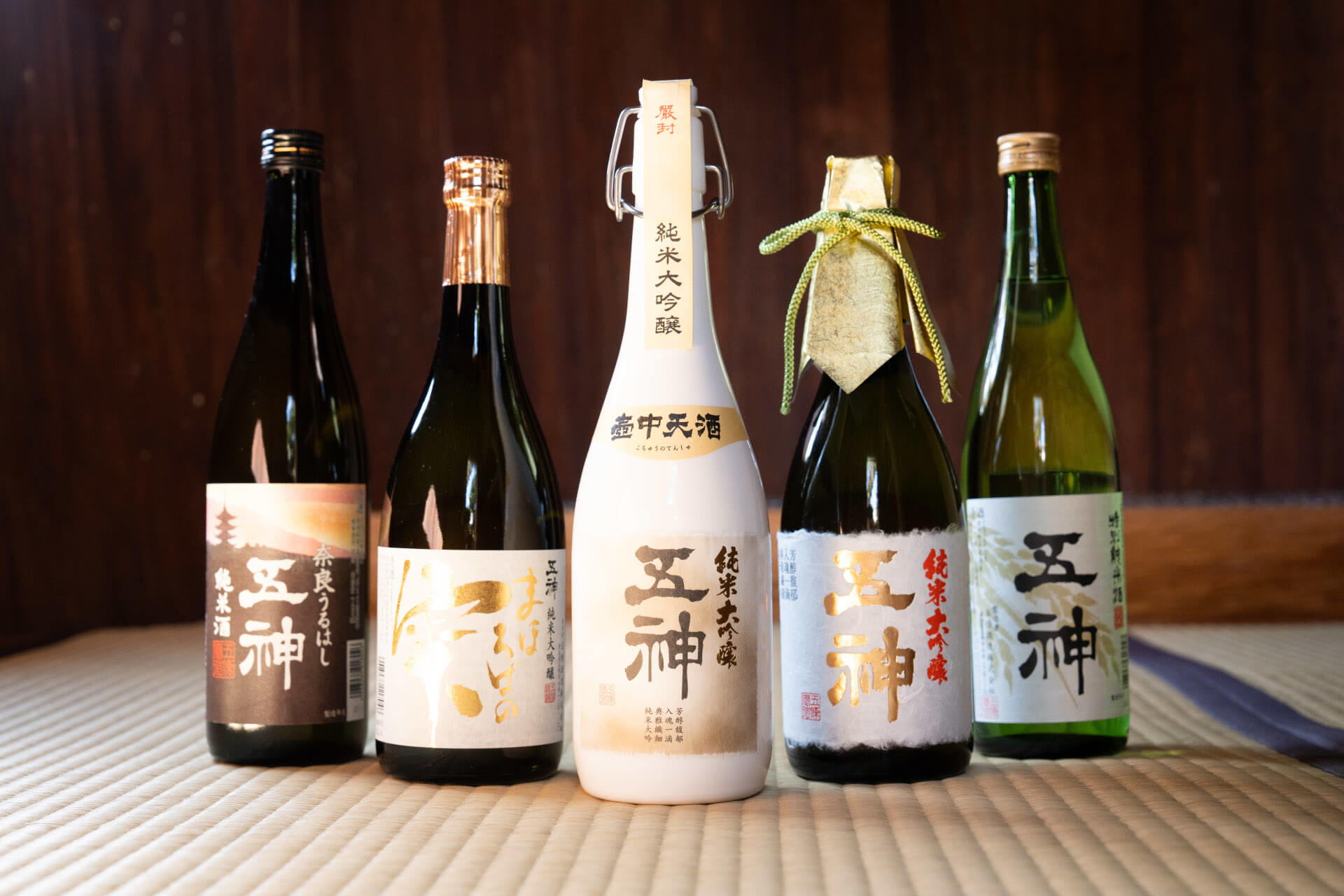
Brews in an environment shaped by soft fukuryūsui welling up naturally from a well, and by the cold winds that blow down from Mt. Kongō each winter. Production stays deliberately small to protect “the old-fashioned virtue of doing it by hand,” chasing a rich, umami-forward flavor that sits at the opposite end of the spectrum from a light, dry sake. The same conviction carries into its ingredients: a junmai daiginjo, “Mahoroba no Shizuku,” made with Nara-grown tsuyuhakaze rice, and a tokubetsu junmai made with Kinuhikari, an eating rice grown pesticide-free by contract farmers.
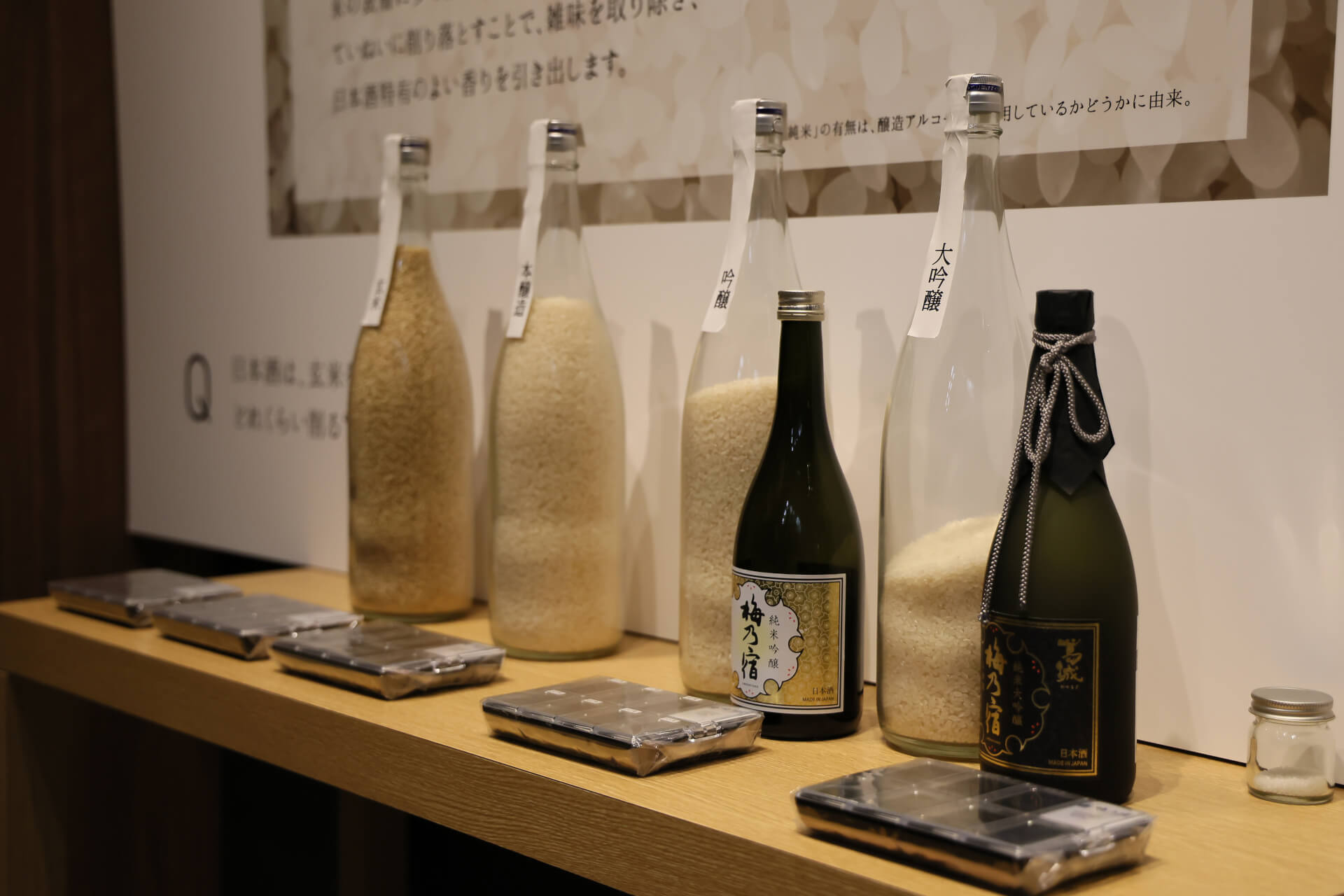
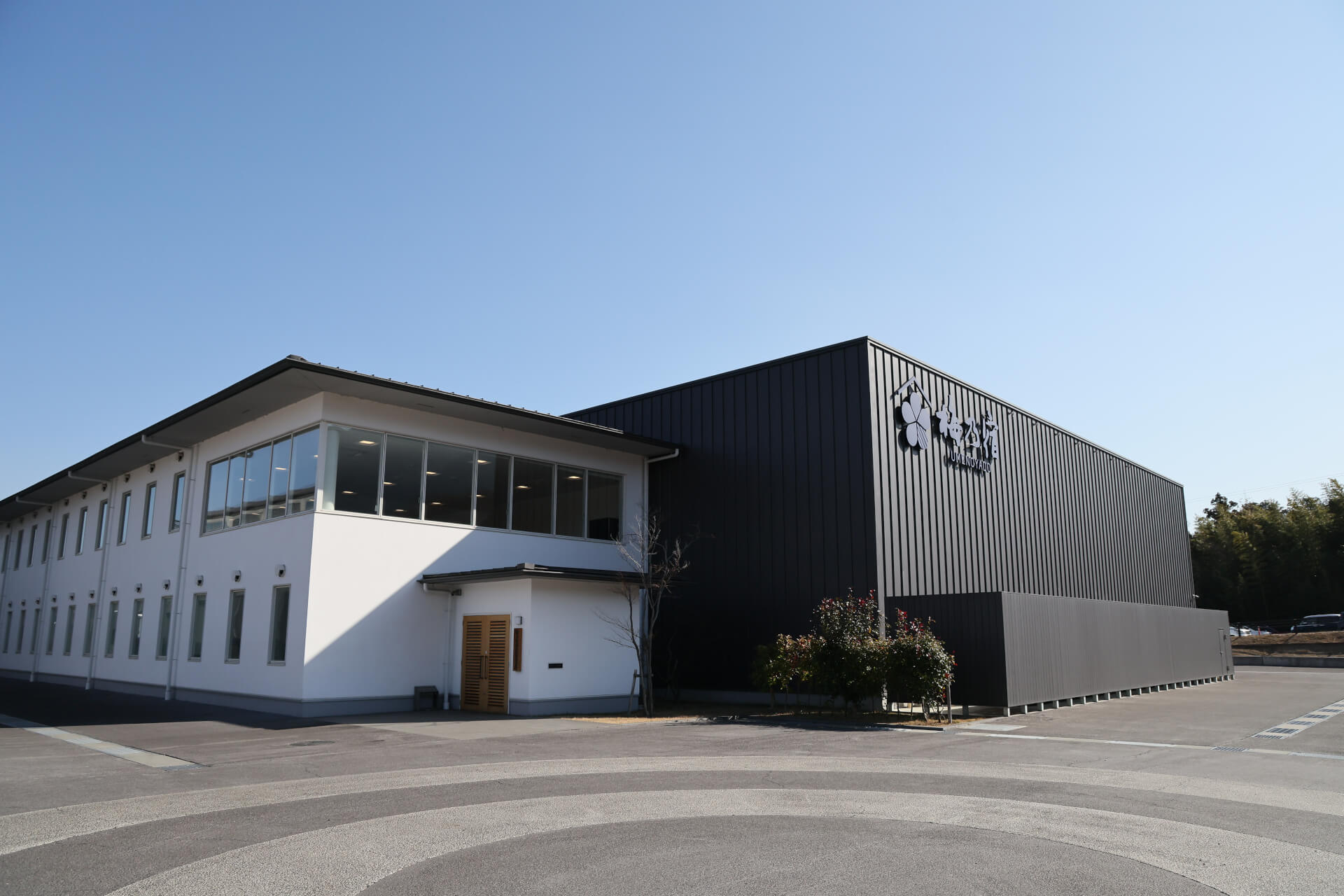
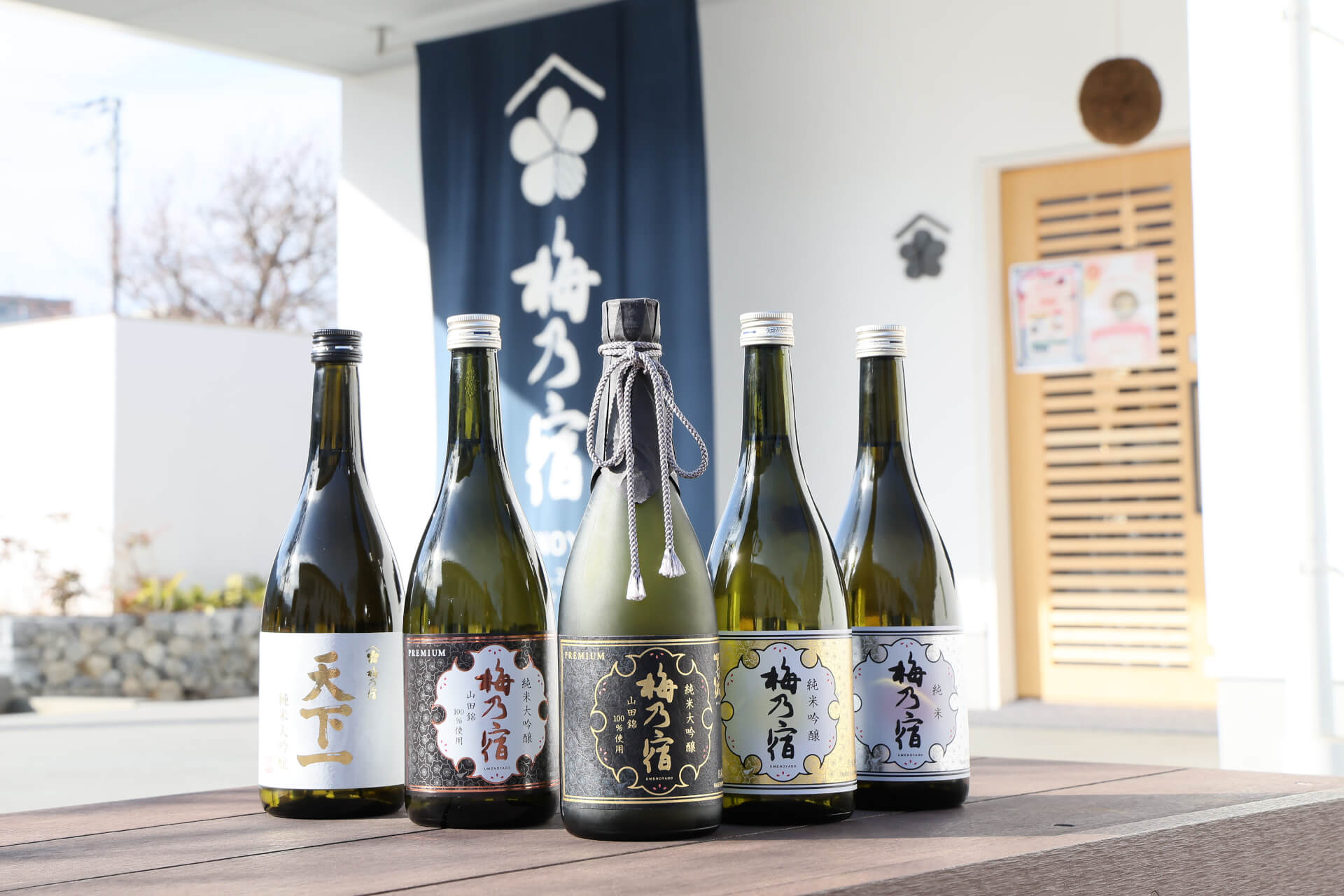
Katsuragi · Est. 1893
Umenoyado Shuzo
From “the plum blossom inn” to a brewery that embraces change
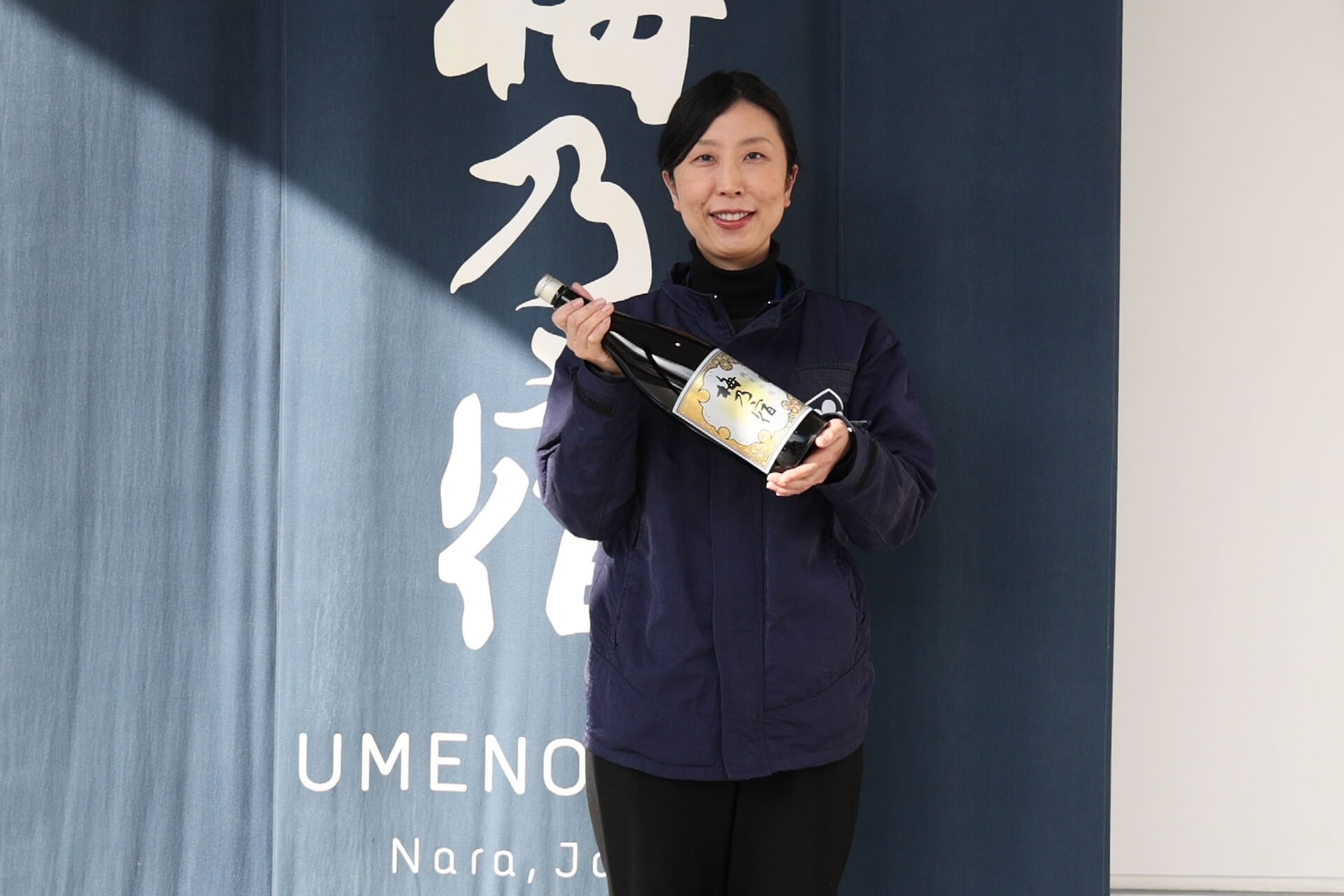
When founder Yoshida Kumatarō opened the brewery at the foot of Mt. Katsuragi, he is said to have looked out at the plum blossoms surrounding it and remarked, “this really is an inn of plum blossoms” — the origin, as the story goes, of the brewery’s name. Guided by the idea of “protecting tradition while never fearing change, and creating new sake culture,” it moved into a state-of-the-art new facility in 2022, complete with a 70-meter visitor walkway. Its Aragoshi series, brewed with deliberately minimal filtration, is one of many ongoing experiments.
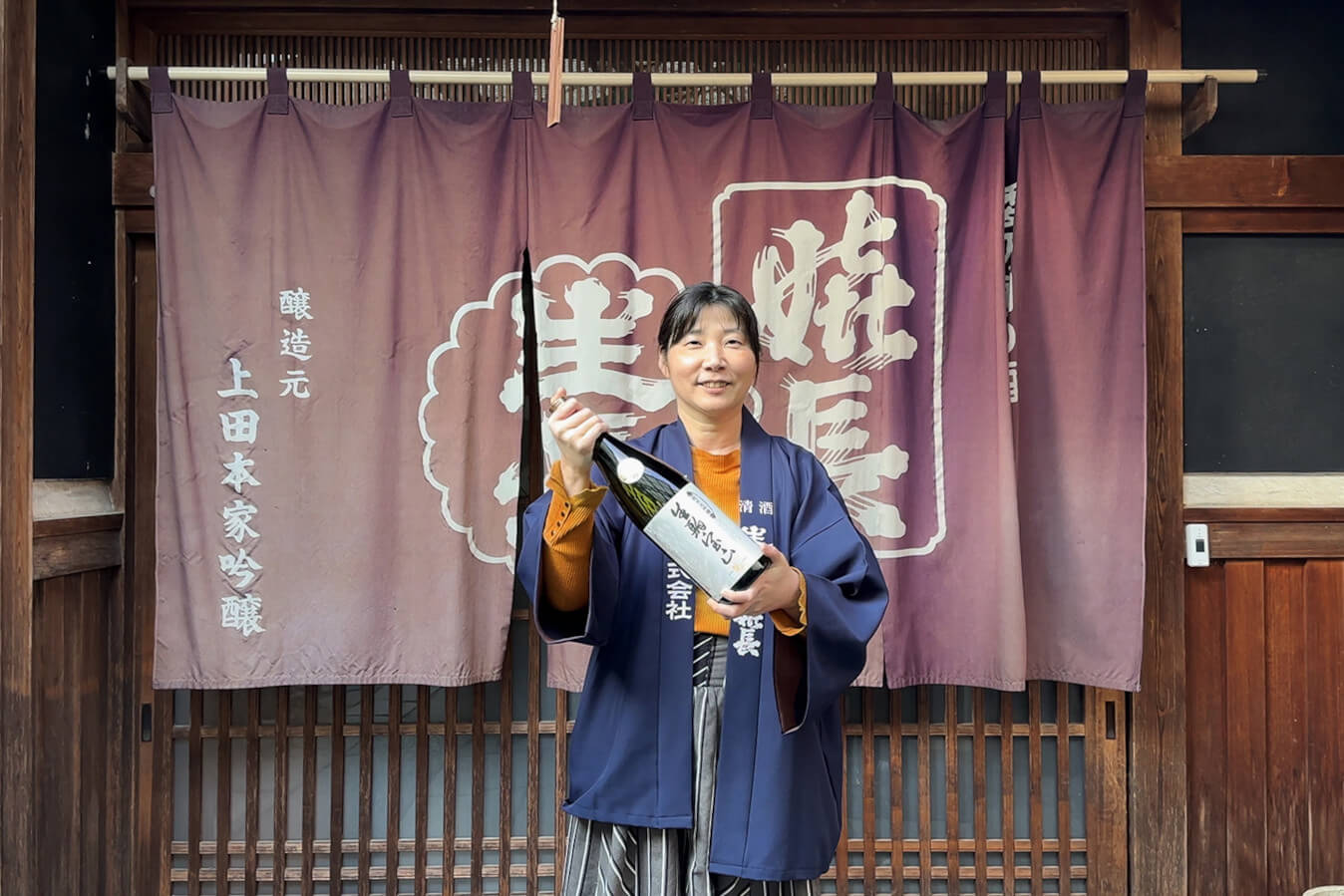
Ikoma · Est. 1558
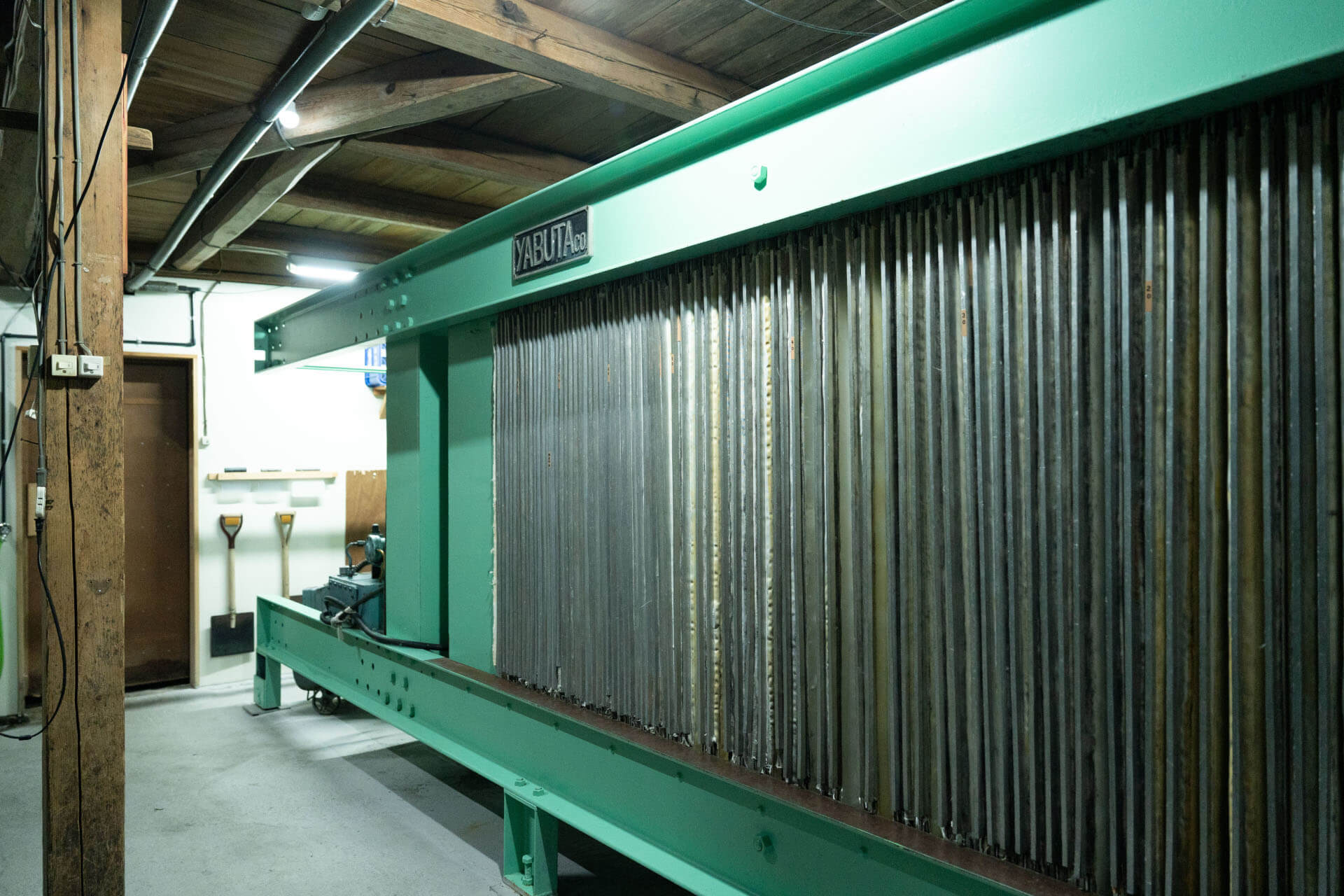
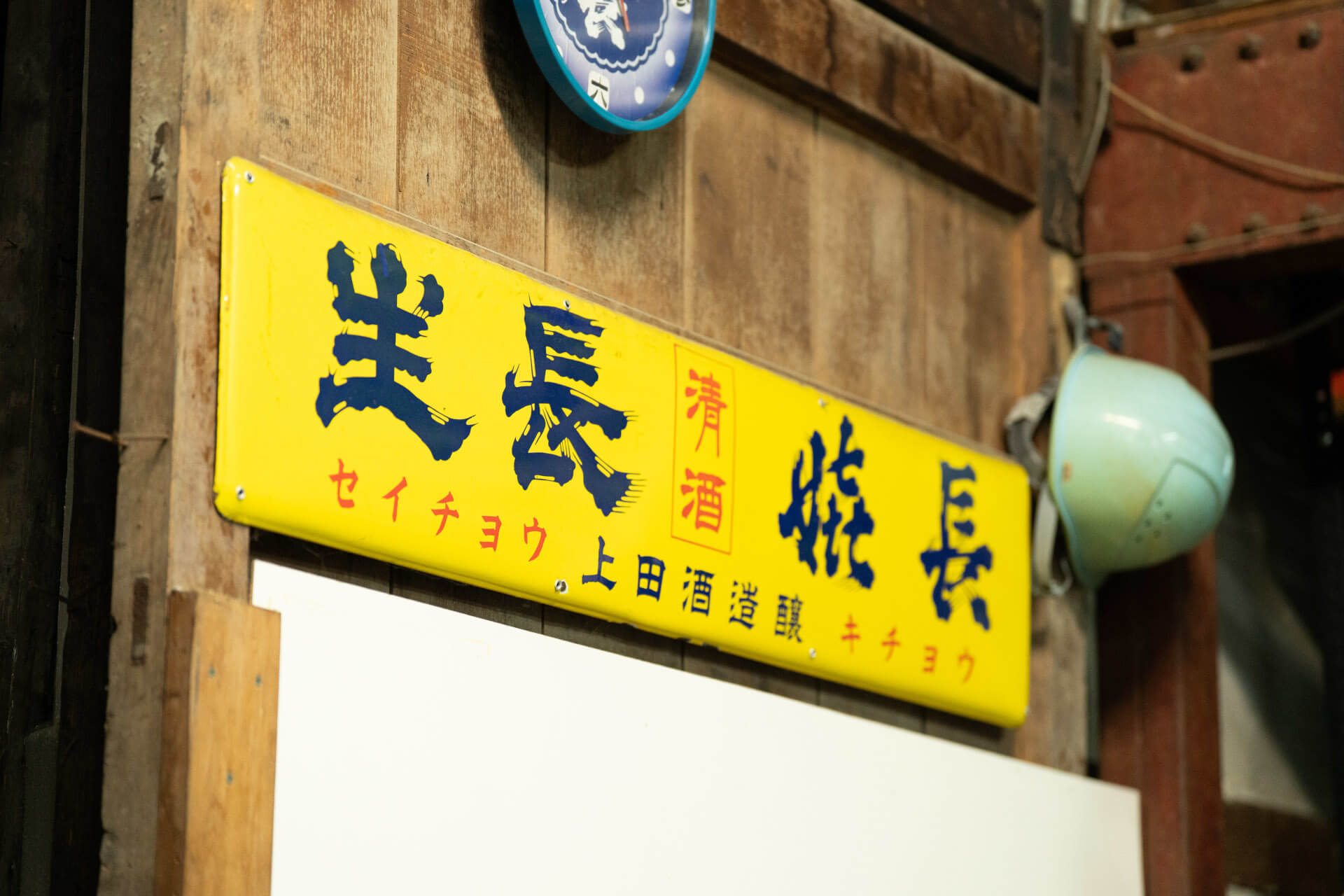
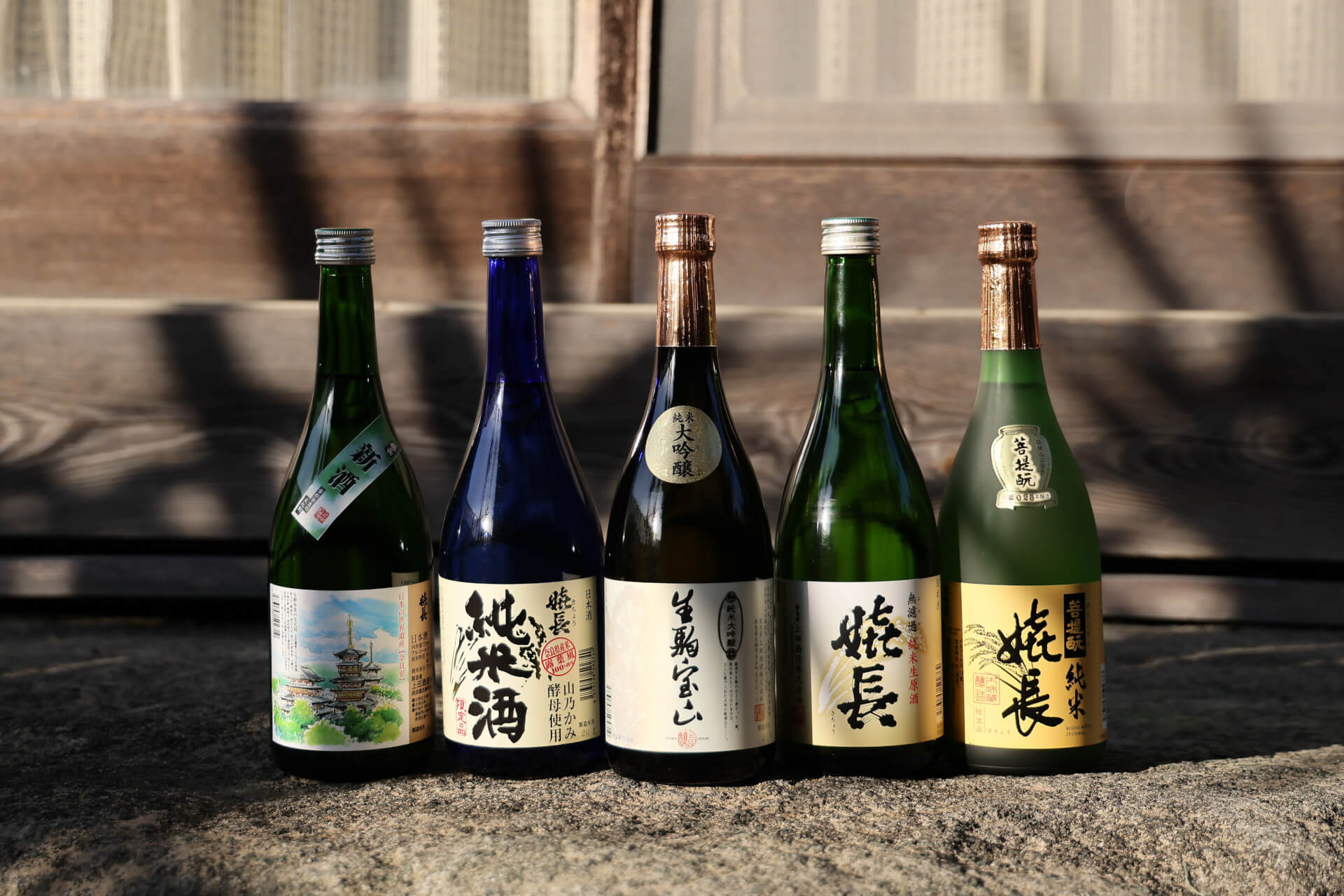
Ueda Shuzo
460 years of history, and yeast gifted by a shrine
The oldest of the six, with more than 460 years of history, Ueda Shuzo is one of the few breweries still joining Shōryakuji’s bodaimoto brewing every January, carrying forward in practice the old-style method introduced in Chapter 2. Alongside its Meiji-era labels “Kichō” and “Seichō,” the brewery also brews a junmai sake with “Yama no Kami Kobo” — a yeast strain unique to Nara Prefecture, isolated from wild sasayuri lilies growing on the grounds of Ōmiwa Jinja — as well as a sake made with nanatsuyu, the sake rice newly developed in Nara Prefecture. It’s the brewery whose ties to the sake shrine from Chapter 1 are the most visible of all.
Six breweries, six philosophies. In the next chapter, we explore how to savor these sake and which dishes pair best with them.